Miraculous Dolenjska: Mirna Peč and bees
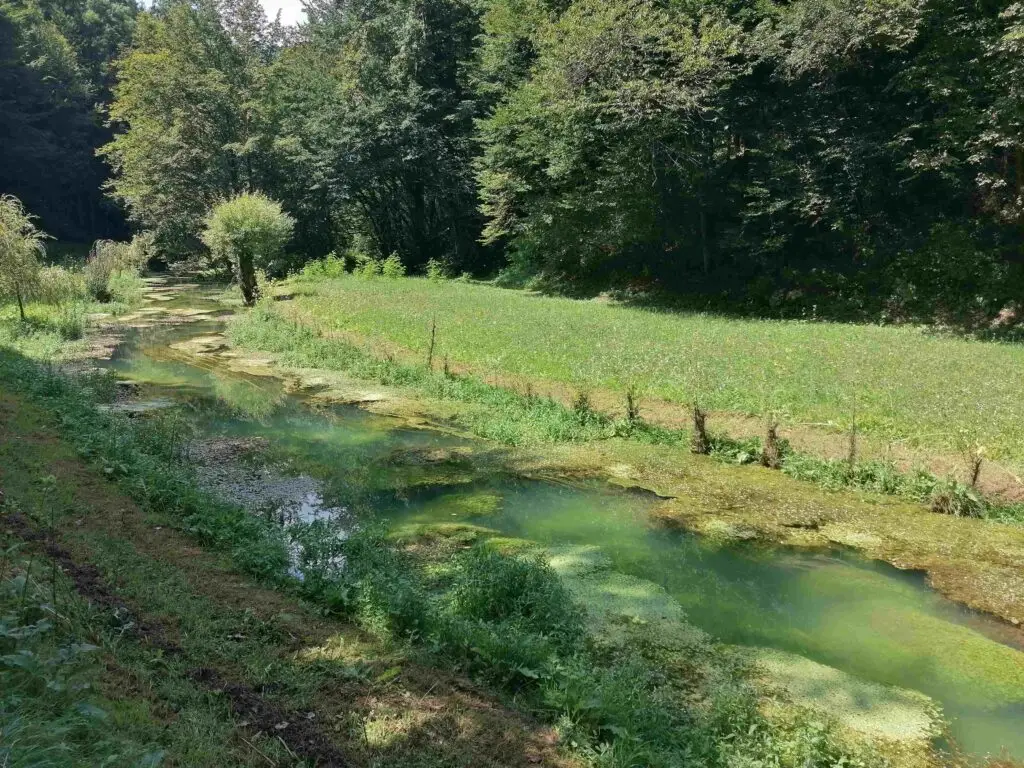
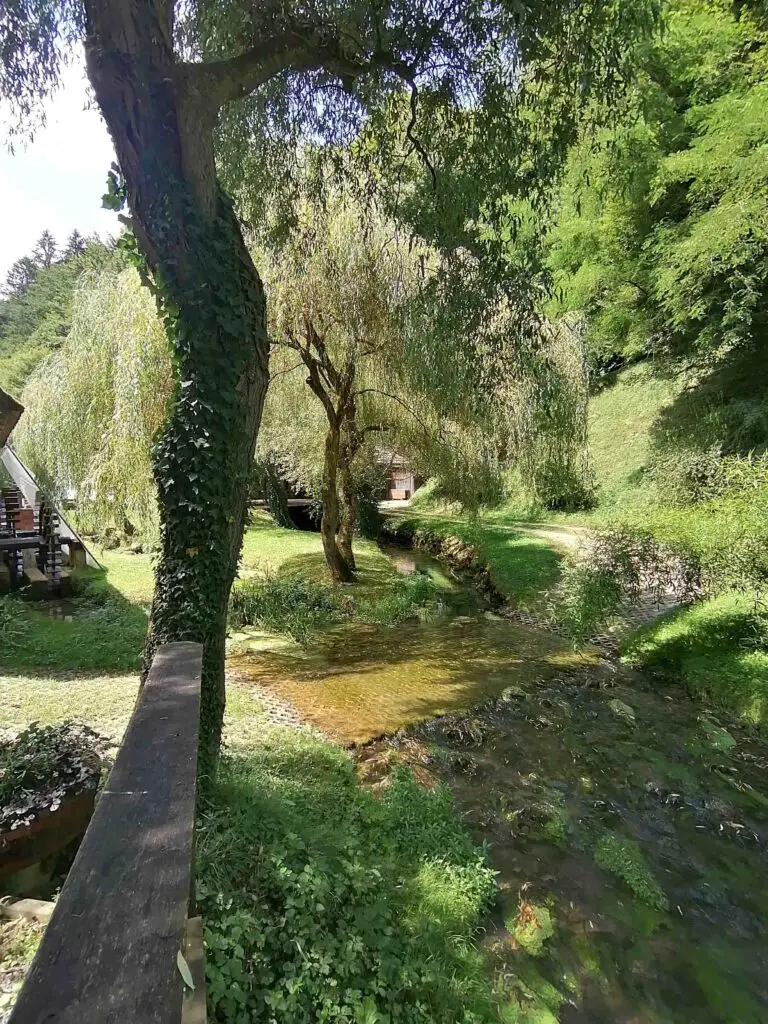
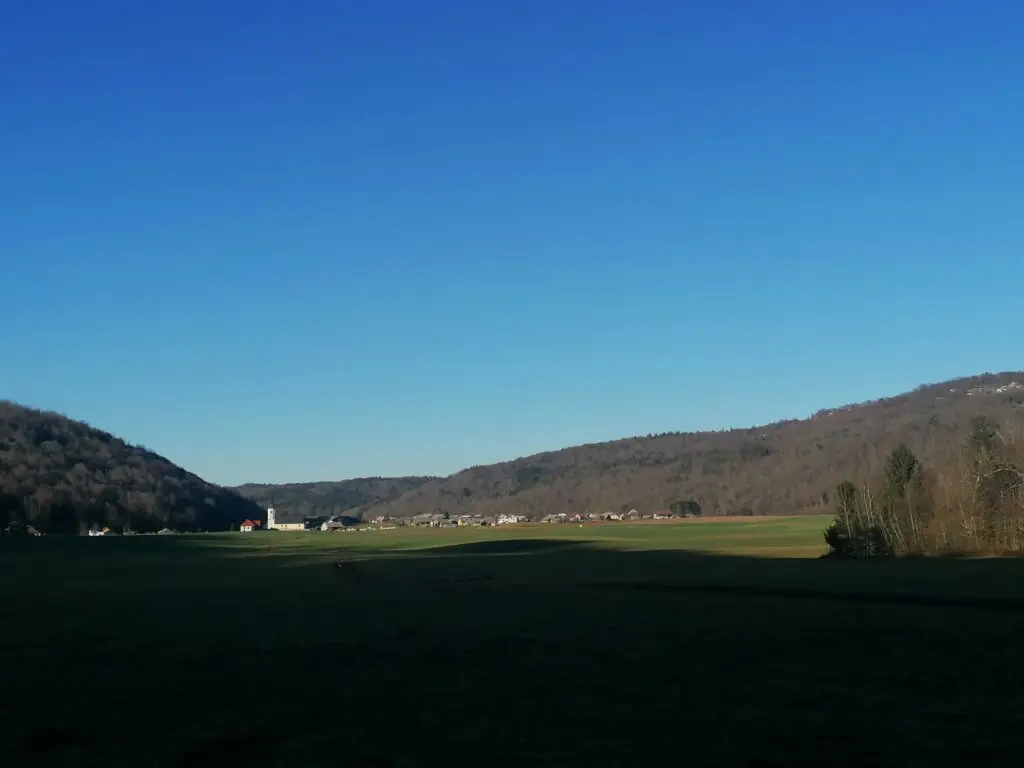
Mirna Peč is a place, a municipality in Dolenjska, located between Trebnje and Novo mesto. It measures 48 km2, has 28 settlements and around 2790 inhabitants. It consists of three valleys: the central Mirnopeška valley along the karst river Temenica; to the southwest lies the Globodolska valley (the most sharply delimited karst basin in Slovenia), and to the northeast is the Šentjurska valley with the Poljanski potok stream or Igmanca. In these valleys, the edges of the Dinaric, Alpine and Pannonian worlds meet, and some parts are karst with sinkholes and karst caves …
There are several versions of the origin of the name of the valley where I (first) grew up – Mirna Peč. Marko Snoj (Etymological Dictionary of Slovenian Geographical Names) claims that it was named after the Temenica River, which flows through the place. The original name “Nirna Peč” comes from the Slavic verb “nyrati”, which meant “to come from the earth”; peč refers to the cliff in Zijalo above Mirna Peč, from under which a river Temenica emerges for the second time.
According to folk tradition, the origin of the name Mirna Peč appears in various stories. The cynics say that one evening a restless servant and a maid were arguing at the stove,when the master said from behind the table: “Peace to the stove!” Mirna peč in English means quiet stove. Others explain that wild bees lived on the cliff in Zijalo. They supposedly had plenty of honey, but since no one could get it, it spilled over the rocks into the river, and that’s how the valley got its name “Medna Peč” – honey owen. (Anton Pust, Mirna Peč z okolico nekoč in danes).
Honey oven, Lojze Kastelic and bees
Let’s start with bees…
In 2008, the booklet Hyperboreans in Our Region was published, written by Lojze Kastelic – my grandmother’s brother – he summarized his life’s findings in it. I met the renowned beekeeper and researcher of history and archaeology as a little girl in his interesting home above Zijalo. There, after retirement, he devoted himself to bees and researched their wisdom. The philosophy of bees, associated with Rudolf Steiner (who was the first to warn the world about the excessive use of chemicals in agriculture) and his anthroposophy, the so-called spiritual science, was called apisophy by Lojze.
“Our science, however exact, does not even have an accurate idea of what life is. What exists now as gene research is not knowledge about life, but only a more accurate knowledge of the consequences of life. The integrity of the body, life, ideas and emotions, the formation of the figure, which occurs in individual organisms or as a free force of nature, is incredibly complex. A farmer who farms according to the biodynamic method must make a great effort to penetrate at least a little into this magnificent harmony that we call nature. All life on Earth takes place between the elements and forces, in their wisdom full of interplay. It is not an easy task to gain insight into these events and to take them into account in practical work.” (L. Kastelic, Hiperborejci v naših krajih).
The reason for his research was the finding or question of how bees can breed from an arbitrarily selected larva either a worker bee, which lives only six to seven weeks in the summer, or a queen, which, with normal colony development, can live up to five years. This means a more than forty-fold extension of life. He drew his beekeeping knowledge from the works of Dr. Karl von Frisch, who devoted 40 years to the language of bees, or their communication with each other and with flowers. With its bee dance of figure eight (it takes place in the shape of a figure eight), the bee controls a huge grazing area, takes care of the reproduction of both individual individuals and entire colonies, and has apparently survived for more than seventy million years. Von Frisch summed up his many years of findings in one sentence: “Man should not imagine that he has a monopoly on language, and even less on intelligence in creation.”
When Lojze was conquering the world of bees, he became the owner of the Zijalo cliff above the abyss of the Temenica River. The Mirna Peč Valley lies on the ancient road between the west and the Pannonian Plain, and the abyss called Medna pečina itself, in which the Ajdovska Cave, the Temenica sinkhole, and the nearby St. Ana with the hillfort greatly excited his imagination. In this way, he connected many facts and suspected that one of the centers of ancient beekeepers – the Hyperboreans – was located right here.
Hyperboreans in our region
“About five thousand years ago, a herd of herders with large herds of starving grazing animals arrived in the land of the three valleys. They came from the steppe expanses north of the Black Sea. They were probably driven away from there by a long-term drought that dried up the otherwise lush steppe pastures. They were led to their new lands by the terrible god Buran, who stirred up powerful steppe, usually snowstorms in the old land.
The newcomers came across the Amber Road, which ran from the Baltic to the northern part of the Adriatic Sea. On this route, they encountered the Veneti, who traded in honey, which was in abundance at the end of this route.
In the land under the mighty Triglav mountain, they connected with the natives – farmers who diligently cultivated their fields.
Here, in the shelter of the hilly, sinkhole-shaped landscape, their herds spread across vast forests found enough herbs in the undergrowth for modest grazing. Therefore, the herders temporarily camped in the central valley, in the immediate vicinity of the natives of the Razinci – Razin people, who in the summer months diligently cultivated the fertile patches of fields along the sun’s ribs.
Even before the arrival of the Hyperboreans, the natives – the Razinci – knew the language of bees. This beekeeping behavior was taboo, known only to beekeepers – priests, who were exclusively engaged in beekeeping, and the Razin priestesses who lived in Raza above the source of the Temenica River. They worshipped good fairies, divine beings who danced over the crops of the Razin farmers. According to legend, small bearded men – elves – also sneaked out of the forest at night into the fields around Raza.
In contrast to the arid conditions behind the Karpathyan mountains, at that time the land on this side of the Gorjanci Mountains was in full bloom with the cultivation and gathering culture of the indigenous people, and had temperatures three degrees higher than today …
Just as the herdsmen were tempted by the agricultural prosperity of the indigenous people, the humble farmers drooled over the meat, with which the herdsmen were abundantly supplied. An exchange of goods took place and neighborly ties became increasingly stronger, including through mutual marriages. A community of farmers and shepherds was formed – the Razinci and the Liburni. The Razinci were named after Raza above the source of the Temenica River, and the Liburni were named after the god Buran … “
Later, the Hyperboreans changed their way of life. They became seafarers and renamed themselves to Liburni. They founded the first state-forming community – the thalassocratic empire -, the twelve-ruled state (ruled by twelve chosen women) was established, and the empire spread along the entire eastern coast of the Adriatic Sea …
The land is characterized by numerous karst caves, which with their underground water flows offered minimal conditions for survival during the last ice age, and the belief in the underworld was also strengthened by numerous gullies into which the waters of the Temenica River flowed, and by sinking abysses from which the sound of flowing waters could be heard … At Razinci, the belief in the redeeming but terrifying Underworld turned into a belief in the Great Mother Earth, whom they began to worship as a goddes, for giving them daily food. Thus, the worship of the Great Mother Earth – the first organized religion in the world – arose perhaps precisely on the Mirna Peč soil …
“A special layer in the social structure of the Razina primitives was represented by priests, a kind of soothsayers and clairvoyants. They ruled high above Raza, where they had a fortified hillfort on the top of a panoramic hill. They were engaged exclusively in beekeeping, which, in addition to agriculture and grazing, represented the third branch of gainful activity in the community of farmers and shepherds … By constantly observing bees inside and outside the hive, intelligent beekeepers acquired many secrets of bee life and existence, especially their spiritual essence …”
On the hill of St. Anne above Zijalo (a marked footpath runs between them), the remains of a settlement – a hillfort from the Iron Age – were found, and legend has it that the hill is often struck by lightning because a golden calf is supposedly buried there. Anyone who has tried to find it has experienced a lot of unpleasantness; from seeing monsters to going mad or dying under unexplained circumstances.
My great uncle expanded his life’s work even further and connected the old belief in the Trinity (with Triglav and Golden Horn) with Greek and later Roman beliefs, but I will leave the deeper leap to your own reading of the booklet (Lojze Kastelic: Hiperboreans in Our Regions), and I would like to shed light on other aspects of Mirna Peč.
Old Wounds
It was not only my grandmother’s brother who wrote, but also my grandmother. She wrote down many reflections from her life that have not (yet) been published. However, I can thank her writings for the first time that I doubted the textbook claims and the general history that is always written by the victors. I will never forget the astonishment I felt when I read her poem about the partisans who broke into their farm one cold night and took away all the food for the winter. For the first time, I did not see them in the role of immaculate heroic victors of the war …
Like many peasant families in Mirna Peč, theirs was also deeply Catholic religious, as evidenced by the suppressed, still unhealed wounds of the locals, who many signed the accession to the ‘whiteones’, otherwise they would have been shot …
The area was already settled in the eighth century BC, many archaeological remains from the ancient era have been found, and after Christianization, it became a more important parish in Dolenjska in the Middle Ages, covering the area all the way to the Krka River. In addition to the abbots of Stična, most of the estates in Mirna Peč and the surrounding area were owned by nobles from Hmeljnik Castle.
The Hmeljnik road leads from the castle to Šranga – the village/ settlement where I grew up, and my grandmother well remembered the castle lady who rode in from the forest on her horse. But in 1942 the castle was burned down by partisans, destroying the rich castle library and the works of art in it, and the rest was taken away by the locals.
Mirna Peč was often subject to disasters, in addition to Turkish invasions, the place was repeatedly engulfed in fire, plague and cholera spread. For example, Valvasor reported how the farmers of Mirna Peč, after a hailstorm that destroyed their crops, turned on the priest, so much so that he even had to flee the village for a while …
World War I did not reach the village directly, but many men went to the front, also my great-grandfather ended up in a camp.
World War II marked the inhabitants of both sides even more; as the elderly still remember, whether they were ‘beaten’ from one part or the other or the third … My grandfather ended up in a camp this time.
Lojze Kastelic begins his book, described above, with the words: “The authorities at the time severely crushed me and my life. I spent my early youth in forced labor in the prisons of the then communist Balkans. After returning to normal life, I searched for myself and my place under the sun…”
I do not want to dwell on the political past, I have no problem being friends with descendants of the once warring sides, but something else distracted me and stung my – female – wound.
After the end of World War II, several national heroes were proclaimed, and I myself attended The elementary school of national hero Ivan Kovačič, Efenka Mirna Peč. In 2012, it moved and changed its name to Tone Pavček Elementary School, and in 2018, the Lojze Slak and Tone Pavček Museum opened in its place.
I was confused that I only found out about Mara Rupena, an activist, teacher, partisan, editor, social worker, and humanist, during my stay in Slovene Coast, in a Facebook post by an immigrant from Bosnia?! Mara Rupena, born in Mirna Peč, fought after the war to improve the position of women in society, and for social rights, she worked to provide clean water, she achieved that children in schools throughout Yugoslavia had a snack, etc. From Wikipedia, I learned that after World War II she was mostly concerned with the problems of peasant women and peasant families. She was an instructor, inspector of agricultural and household schools in Slovenia, secretary of the forestry department of Dolenjska, general secretary of the Yugoslav Red Cross, secretary of the Committee for Aid to the Vietnamese People, founding and honorary member of the Association of Nutritionists of Yugoslavia… In her youth, she wrote about her work in the American Voice of the Nation, then in Naša ženi, Ženi danes, Ženski svijet, Večer.
Fairies in Zijalo
Female, male, collective… wounds are not the only consequences of human behavior, they are reflected in all worlds. Marko Pogačnik also mentions Zijalo in his book Slovenia Miraculous:
“The creative backbone of the Land of Abundance has its own root system at the bottom. It is most deeply embodied by the Babenski Žleb under Šumberk Castle and the Zijalo under Mount St. Anne …
The Babenski Žleb, lying to the west, complements Zijalo on the eastern side. The Temenica River emerges there after having disappeared under Mount St. Anne. It emerges in a dramatic way – under a high rocky overhang. The sacred content of the place can be felt in the cave on the right side of the abyss from which the Temenica springs again. The high cave is the home of mighty fairy creatures who direct the life cycles in the Land of Abundance. It is also a place of warning, saying that we humans are too frivolous when we take it for granted that the Earth and its fairy creatures constantly surround us with an abundance of life, but we are not interested in the places where life originates, and even less for the creatures that make its constant flow through the land possible.
In this sense, I understand my vision when visiting Zijalo. I see a mighty fairy. She emerges from the aforementioned cave and every morning circles the Land of Abundance with a basket to collect the gifts of thanks that were once given to her in the form of rituals of gratitude for the miracle of life. I was horrified to see that she returned to the cave each time with an empty basket.”
For instructions on how to thank the fairies, I had to ‘google’ in English:
According to fairy tradition, the “correct” way to express gratitude to a fairy is not to directly say “thank you”, as this can be interpreted as creating an obligation or debt, but to use phrases such as “I am grateful” or “I appreciate your kindness”, while offering a small, meaningful gift, which is in line with fairy tradition.
So in conclusion, I thank the fairy for the miracle of life that was bestowed upon me, and in gratitude I offer these words and photographs (as a source of communication – to connect it also with the bees) and the time and energy invested so that this vision could come to life also in the (online) world …
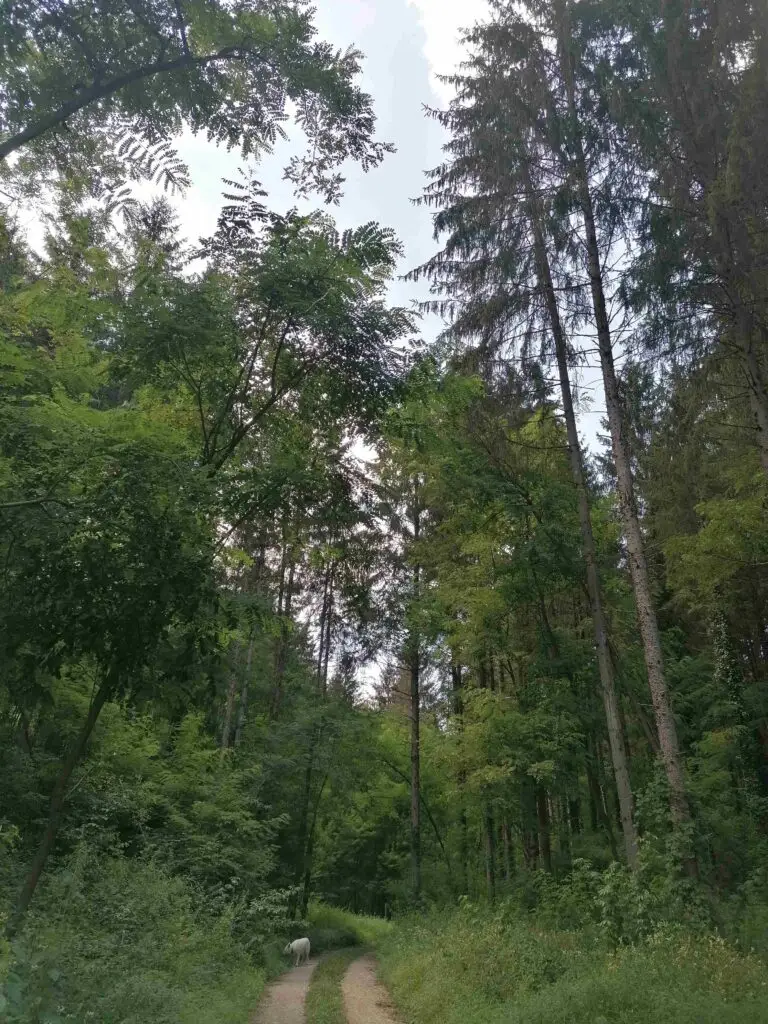
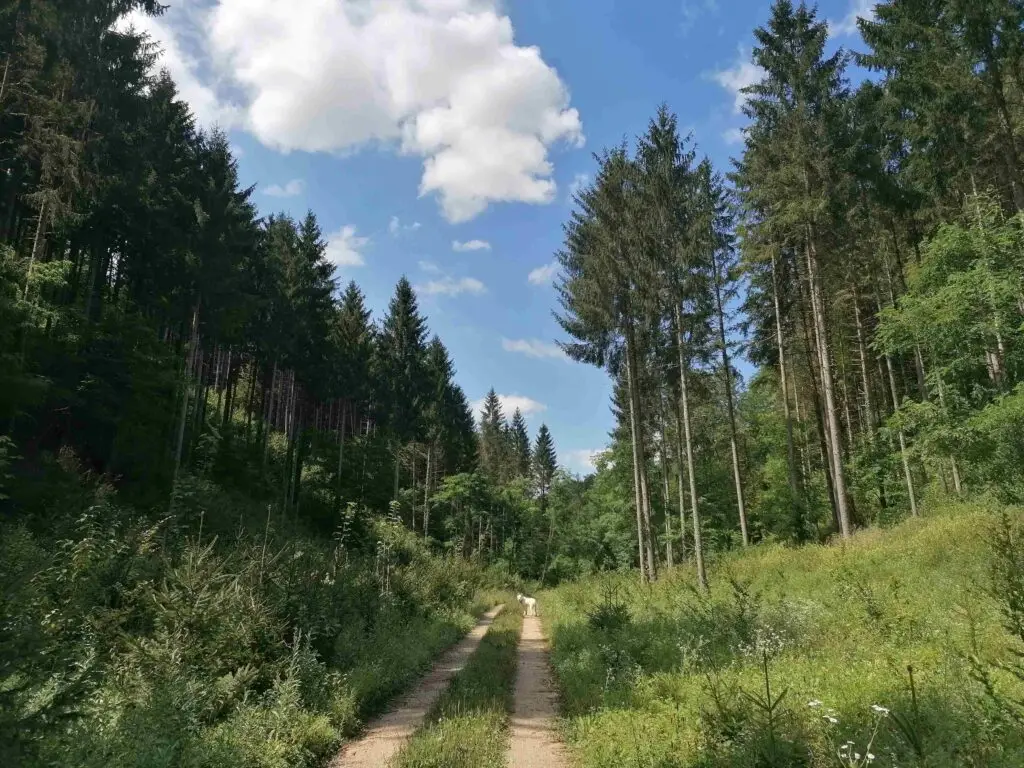
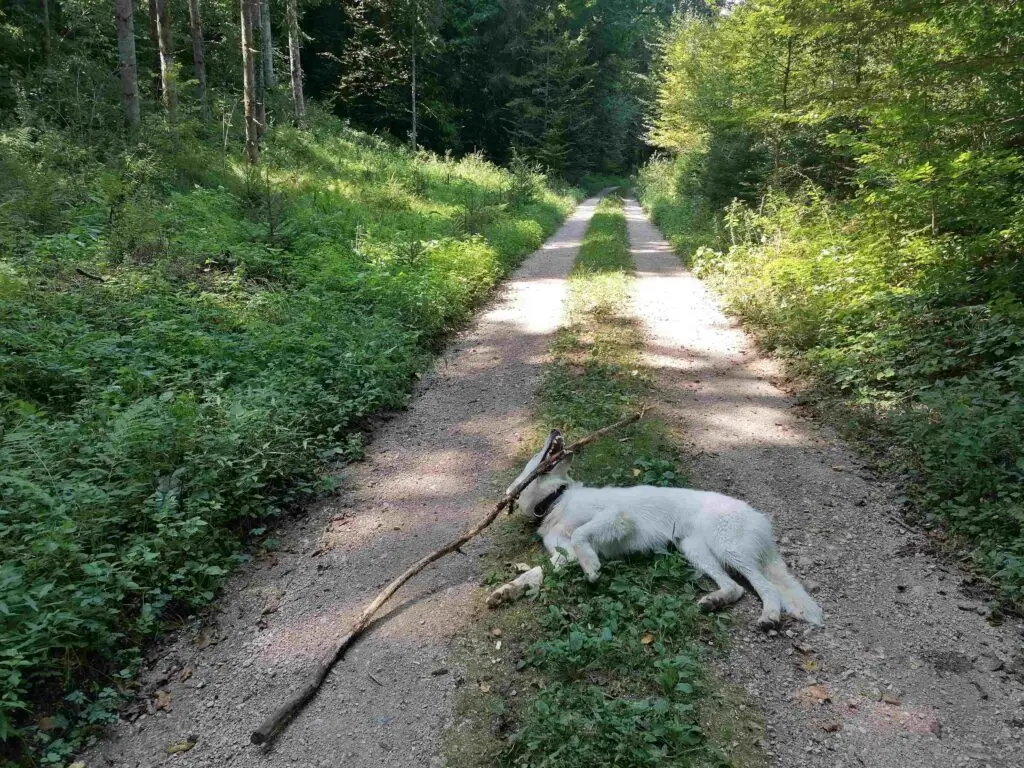
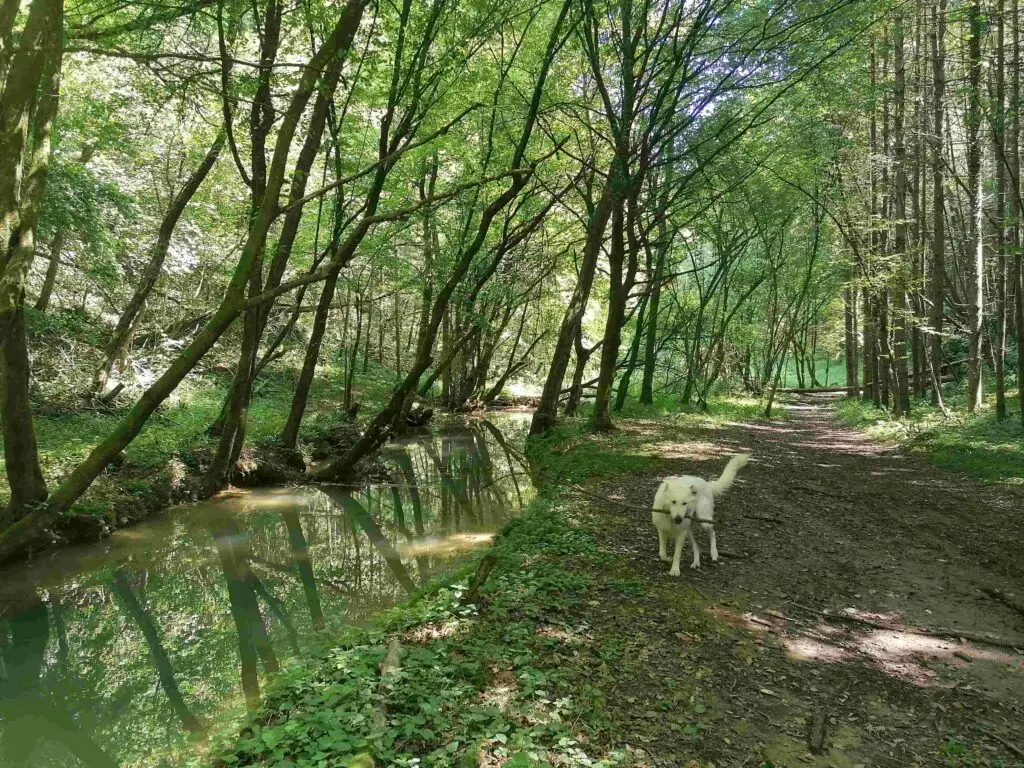
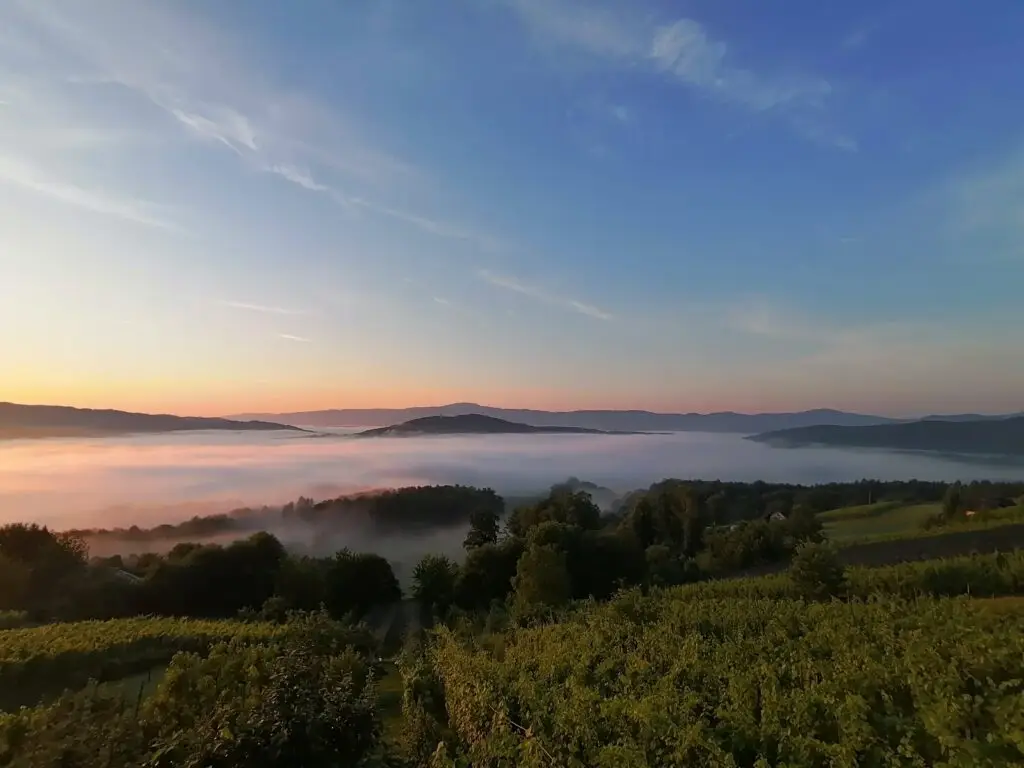
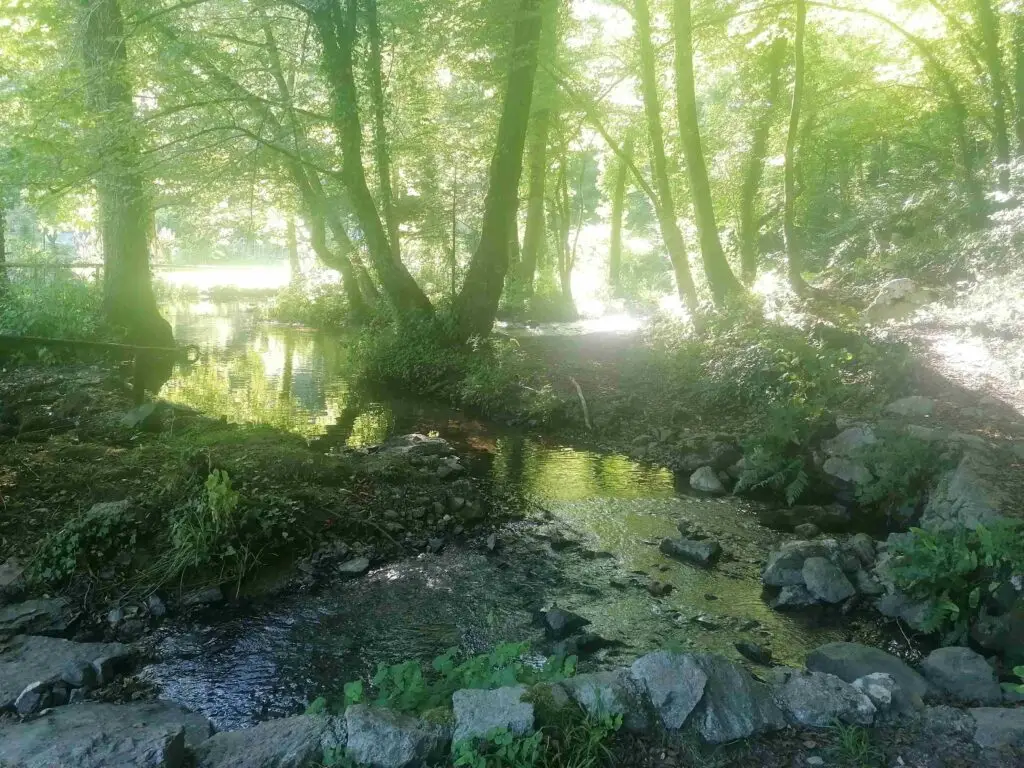
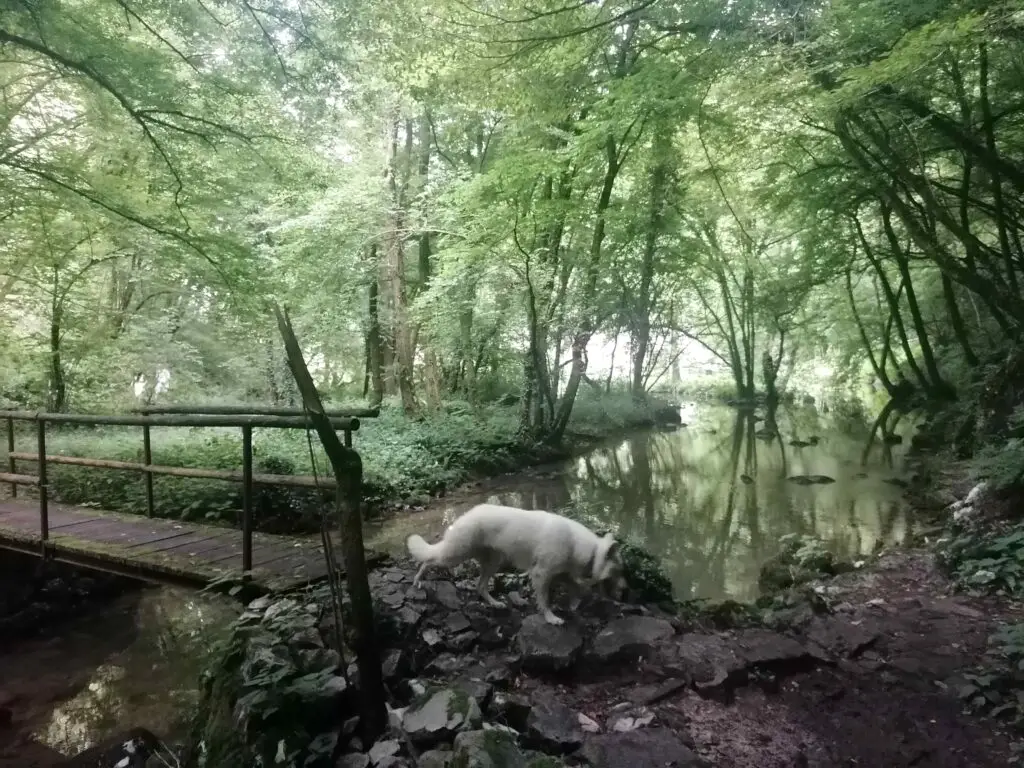
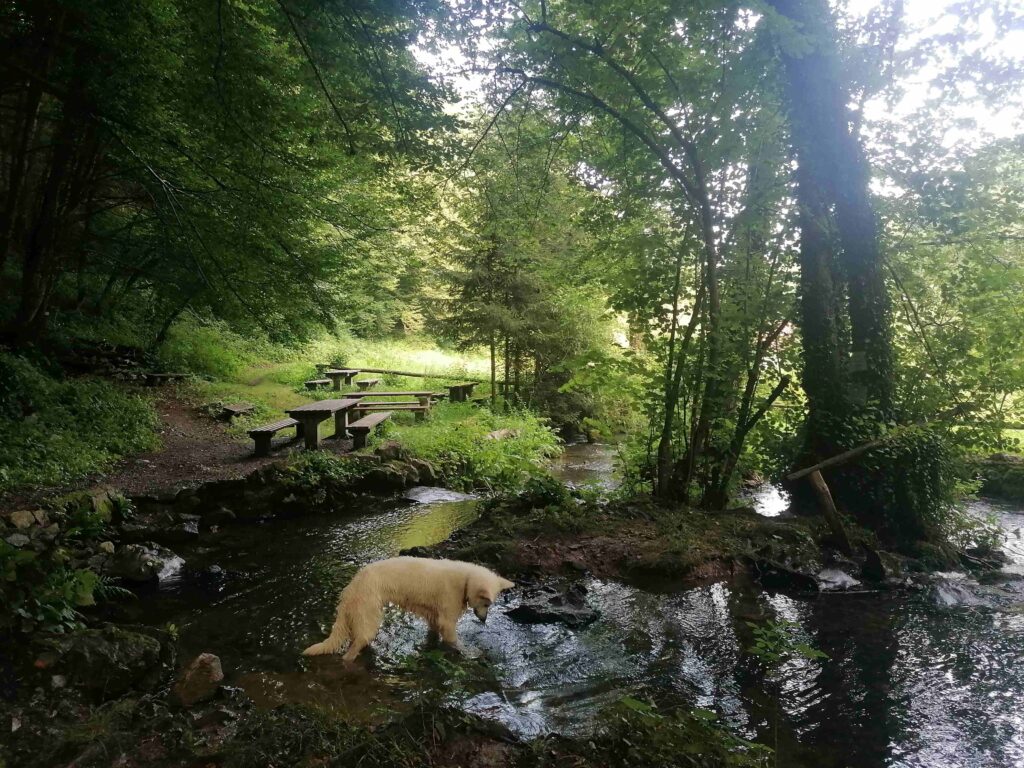
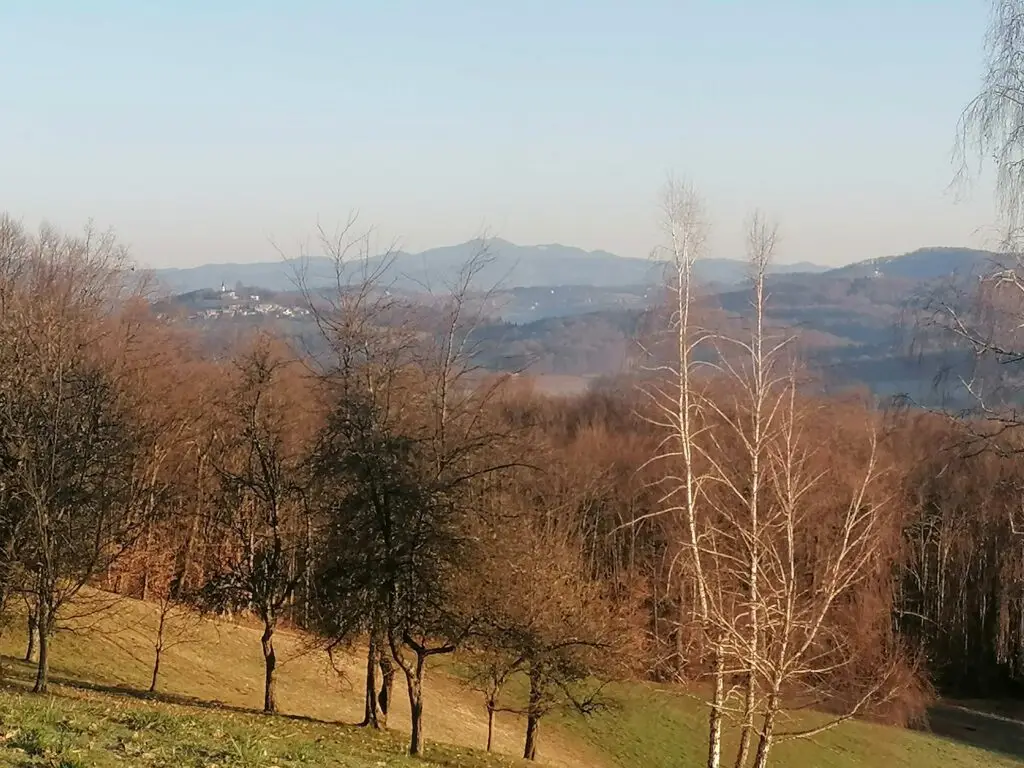
For peace of mind, I am attaching a few snapshots from walks in the beautiful Mirna Peč nature. After 15 years of ‘flying’ around the world, I was first welcomed by winter Golobinjek hill with its forests and wonderful views of all sides of Dolenjska – the Land of Abundance …
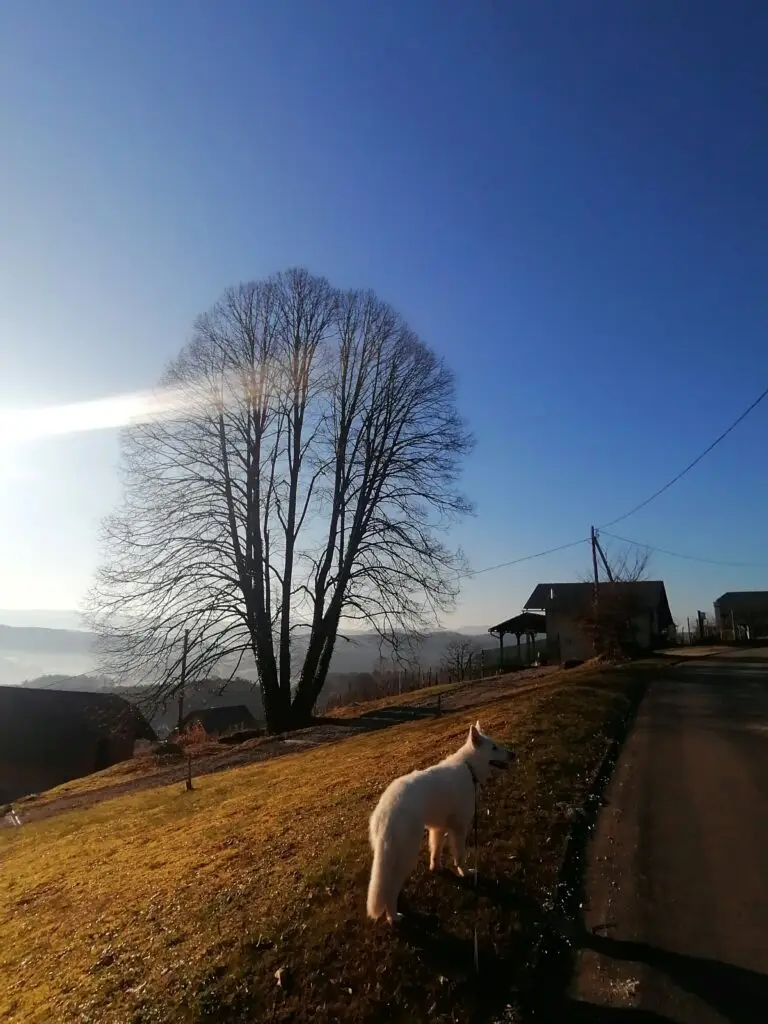
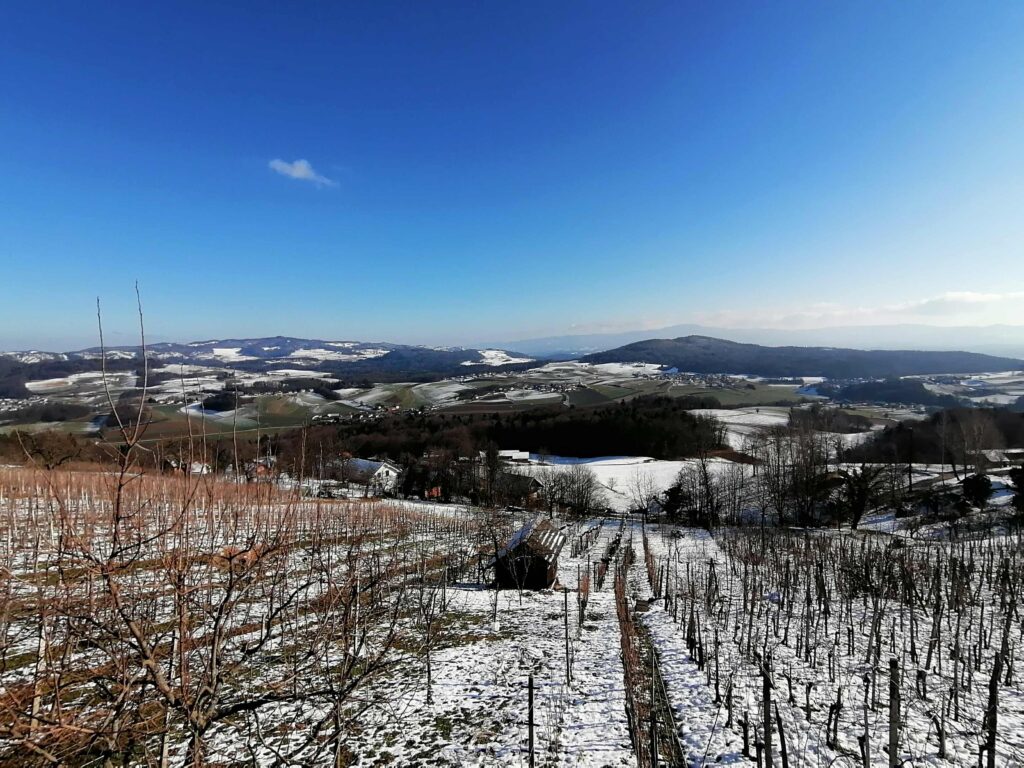
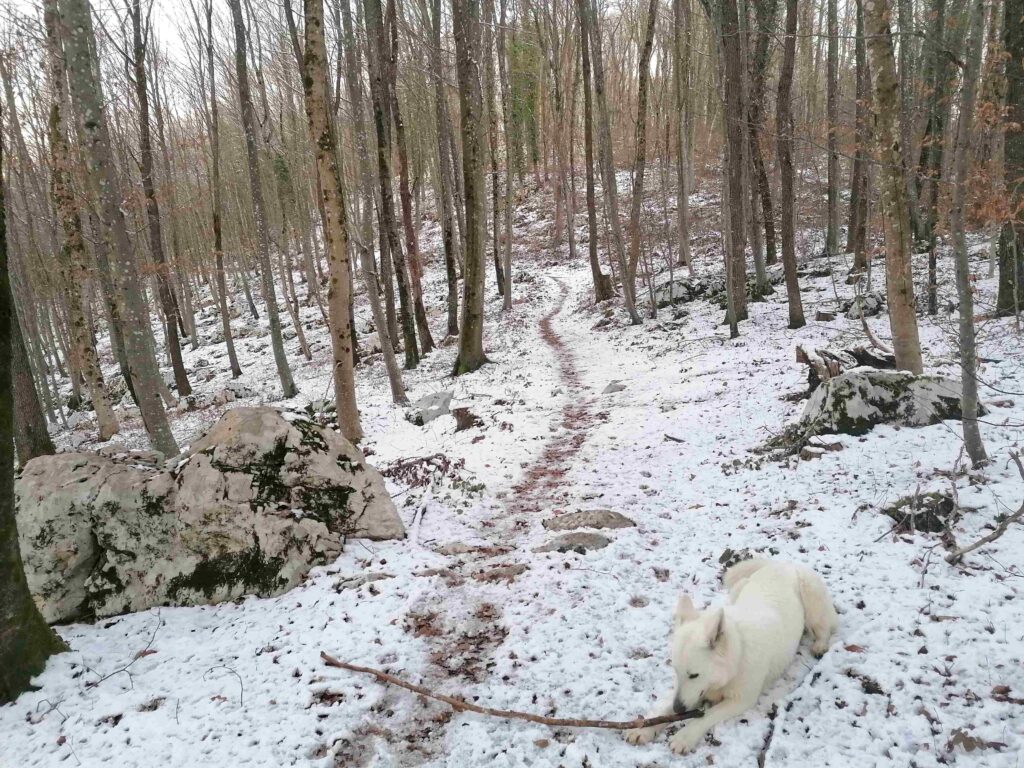
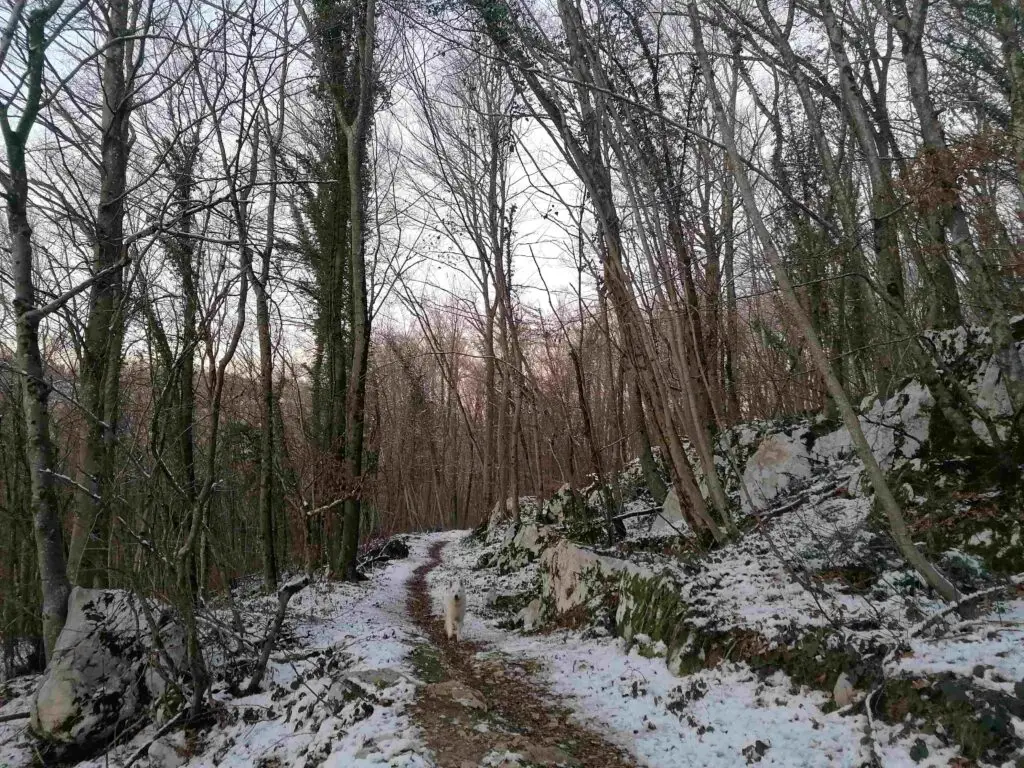
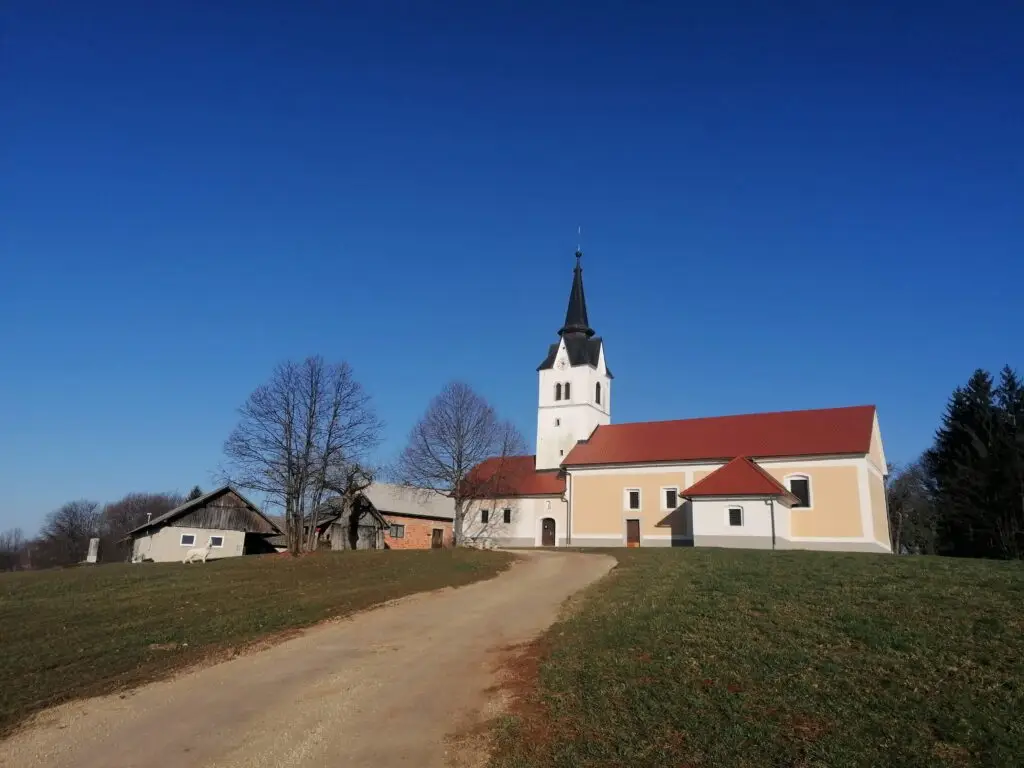
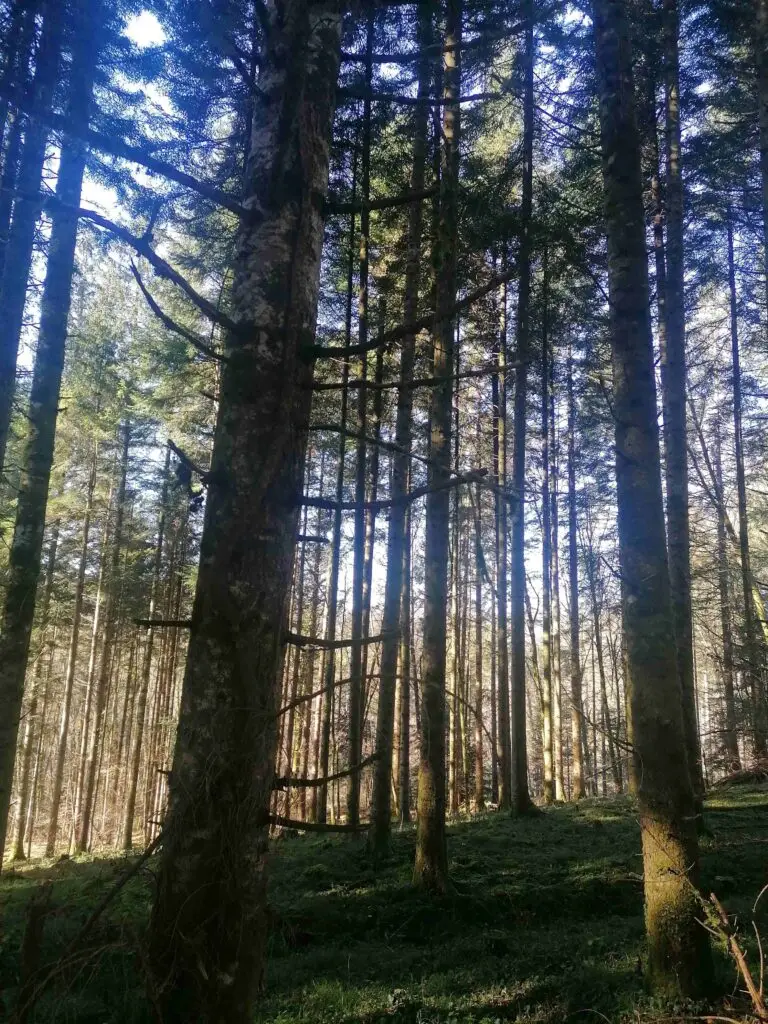
From Šranga (partly along the Hmeljnik road, there are also starting points elsewhere) a nicely maintained path leads through the forest towards the source of the Bezgavec. It administratively belongs to the municipality of Novo Mesto, but I was never interested in this kind of borders…